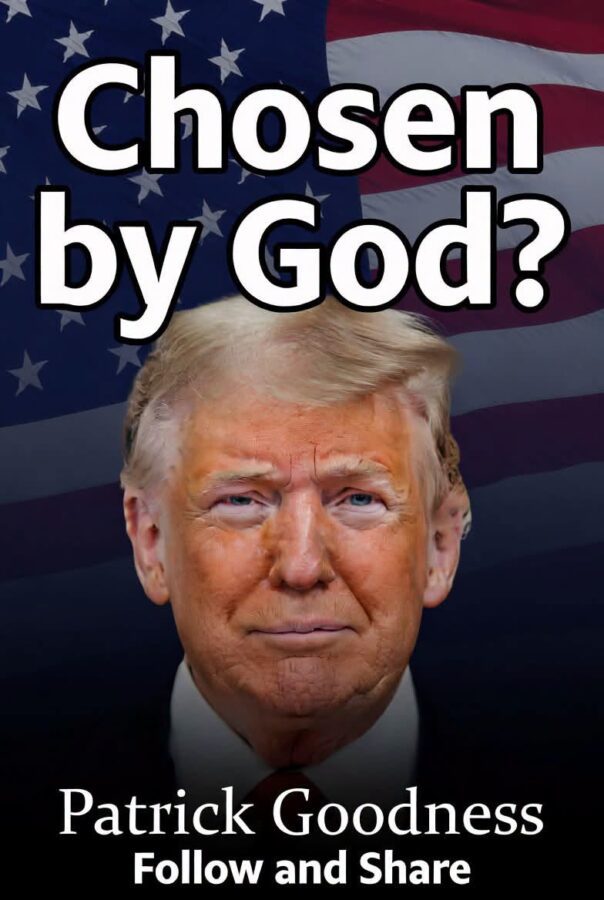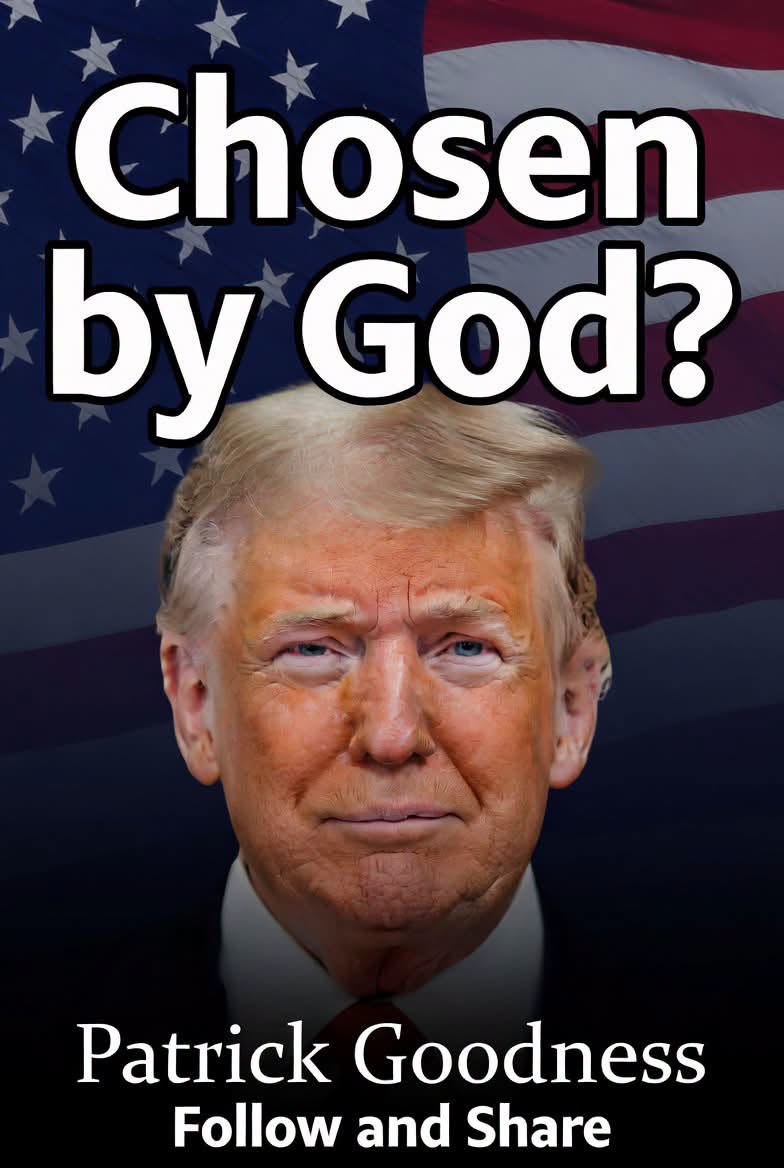


Chosen by God
July 5, 2026
One Nation Under Fraud
July 7, 2026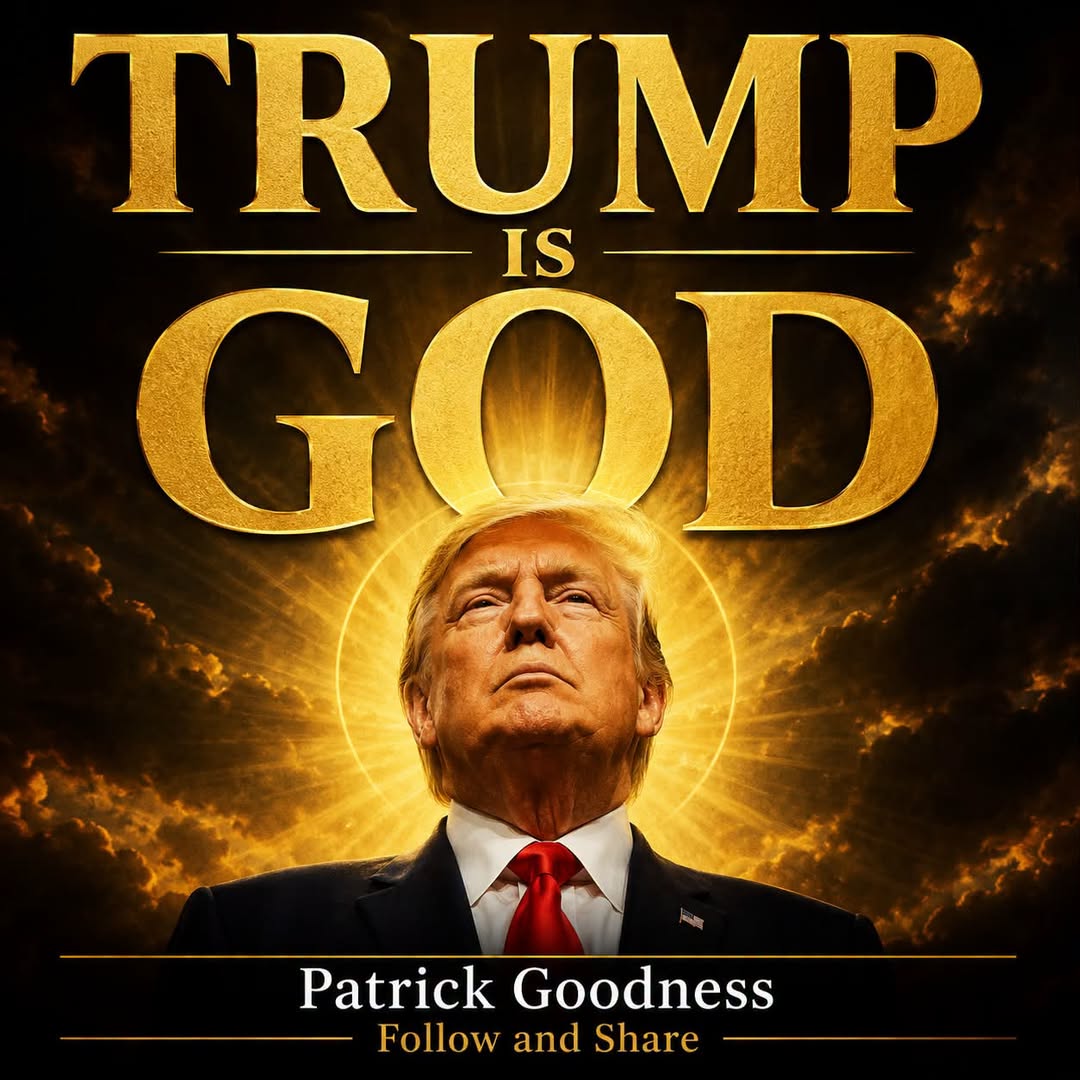
Trumpism and the Psychology of a Cult
I’ve spent much of my life studying religion.
Sixteen years of Catholic education. Eight years in a seminary. Decades study and lecturing about Christianity, Islam, Buddhism, Hinduism, Shinto, Taoism, ancient religions, native spiritual traditions, mythology, and why human beings believe what they believe.
One lesson keeps appearing.
The most dangerous belief system isn’t always built around a god.
Sometimes it’s built around a man.
That is what concerns me about Trumpism.
I’m not talking about Republicans. I’m not talking about conservatives. I have friends who are both, and we disagree without questioning each other’s character or intelligence.
I’m talking about something different: the point at which support for a politician stops being political and becomes personal.
When someone can do no wrong.
When every criticism is dismissed as fake.
When every failure is someone else’s fault.
When every contradiction is explained away because admitting a mistake would threaten your identity.
Psychologists have a name for one part of this process: identity fusion. It occurs when a person’s sense of self becomes so deeply merged with a group, cause, or leader that criticism of that leader feels like criticism of the person. Facts become threatening. Disagreement feels personal. Changing your mind can feel like losing part of yourself.
That’s why arguments so often fail.
You aren’t simply debating policies. You’re challenging an identity.
To be clear, supporting Donald Trump is not a mental illness, and it would be wrong to diagnose millions of people. But the psychology of personality cults has striking similarities to patterns associated with Narcissistic Personality Disorder. Not because followers have the disorder, but because the movement often revolves around the same dynamics: the idealization of one individual, the expectation of unwavering loyalty, hypersensitivity to criticism, and the tendency to reshape reality to protect the leader’s image.
A healthy democracy asks us to hold our leaders accountable.
A personality cult asks us to hold our leaders blameless.
Those are opposites.
If you cannot name a single serious mistake your favorite politician has made, the problem probably isn’t the politician. It’s the relationship you’ve built with them.
Real patriotism isn’t devotion to a man.
It’s devotion to principles.
The Constitution.
The rule of law.
The willingness to follow evidence wherever it leads, even when it leads away from the people we once admired.
The day we become incapable of saying, “I was wrong,” is the day someone else begins doing our thinking for us.
History has seen that story before.
It never ends well.